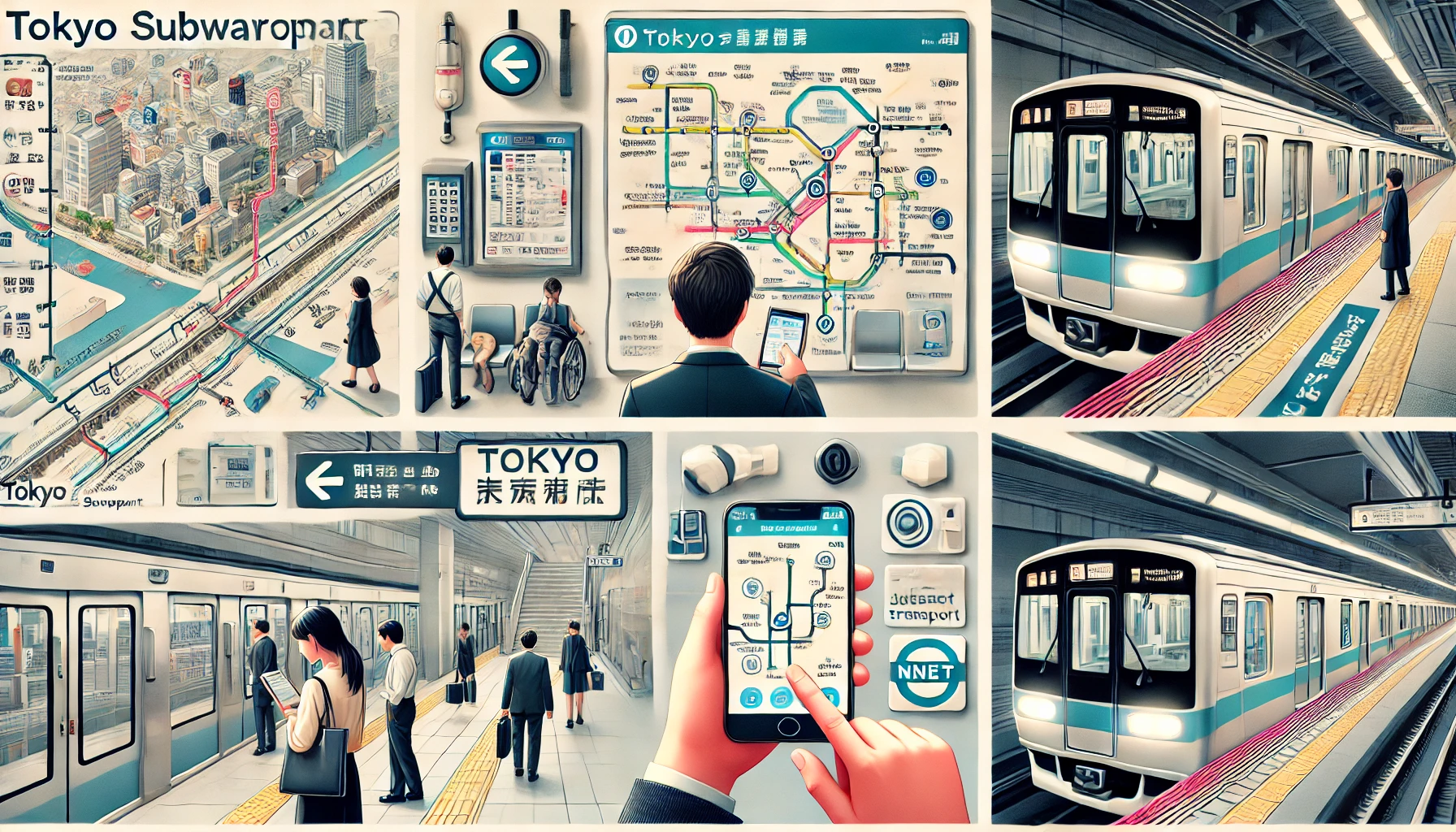
Navigating Tokyo’s public transport system can seem daunting due to its vast network and the sheer volume of options available. However, it’s known for its reliability, punctuality, and cleanliness, making it one of the best ways to get around the city efficiently. Whether you’re a first-time visitor or a seasoned traveler, mastering Tokyo’s transportation system can significantly enhance your experience in the city. This guide provides essential tips and insights to help you navigate Tokyo’s public transport like a pro.
Understanding the Network

Tokyo’s transport system is a complex web of trains, subways, buses, and monorails. The most important are the JR East lines, which include the famous Yamanote Line that circles central Tokyo, and the Tokyo Metro and Toei Subway lines, which cover the metropolitan area comprehensively.
- JR East: Operates Japan’s largest network of train lines including the Yamanote Line, which connects major city centers. JR East
- Tokyo Metro and Toei Subway: Together, these two networks provide extensive coverage throughout Tokyo. Maps and fare information can be found here for Tokyo Metro and here for Toei Subway.
Purchasing and Using Tickets
To travel seamlessly, consider purchasing a rechargeable IC card such as Suica or Pasmo. These cards can be used on trains, buses, and even in some shops. They save you the hassle of buying individual tickets for each journey.
Navigating the Stations
Tokyo’s train and subway stations can be labyrinthine and often connect multiple lines through vast networks of corridors. Stations like Shinjuku and Shibuya are among the busiest in the world. Here’s how to navigate them:
- Maps and Signage: Stations have detailed maps and signs in English, which make navigation easier.
- Apps: Use navigation apps like Google Maps, which provide detailed transit options, or download dedicated apps like Navitime for Japan Travel, which offer route suggestions, platform information, and exit numbers.
Timing Your Travel
Tokyo’s public transport is known for its punctuality. Trains and buses run on a strict schedule, which is particularly important during rush hours (7:30-9:30 AM and 5:00-7:00 PM) when the system is extremely crowded.
- Avoiding Rush Hour: If possible, plan your travel outside of these peak times for a more comfortable journey.
Etiquette on Public Transport
Observing local etiquette is crucial when using public transport in Tokyo:
- Queueing: Always queue up in lines marked on the platform when waiting for the train.
- Priority Seats: Give up priority seats for elderly passengers, pregnant women, and those with disabilities.
- Silence: Keep conversations quiet and set your mobile phone to silent mode.
Day Passes and Special Tickets
For tourists, several day passes and special tickets can provide unlimited travel within certain areas at a fixed price, such as the Tokyo Subway Ticket for unlimited metro and subway travel.
- Tokyo Subway Ticket: Information available here.
Conclusion
With some preparation and understanding, navigating Tokyo’s public transport can be straightforward and stress-free. By utilizing an IC card, leveraging apps, and respecting local customs, you can travel across the city efficiently and soak in all that Tokyo has to offer.
Comments