
Kyoto, a city that encapsulates the essence of traditional Japan, is home to some of the most serene and beautifully maintained Zen gardens in the world. These gardens are designed to foster meditation and contemplation, using meticulously placed stones, carefully pruned plants, and expansive sand raked into calming patterns. For anyone seeking peace or a deeper understanding of Japanese culture, a visit to these Zen gardens is a must. This guide will take you through the top 10 Zen gardens in Kyoto, each offering a unique glimpse into the art of Japanese garden design.
The Iconic Rock Garden of Ryoan-ji
Ryoan-ji Temple is renowned for its karesansui (dry landscape) garden, which is perhaps the most famous Zen garden in the world. Comprising fifteen stones arranged meticulously amongst raked gravel, the garden is meant to epitomize simplicity and refinement. The arrangement ensures that from any vantage point, at least one stone is always hidden from the viewer, inviting meditation on the nature of completeness.
Explore Ryoan-ji: Ryoan-ji Official Site
The Spiritual Sanctuary of Kennin-ji
Kennin-ji, the oldest Zen temple in Kyoto, features several gardens including the famous twin dragons painting that covers the ceiling of the Hodo Hall. The gardens themselves are a mix of moss, rock, and meticulously maintained trees, providing a tranquil escape from the bustling city.
Visit Kennin-ji: Kennin-ji Temple Guide
Tranquility at Tofuku-ji
The Zen garden of Tofuku-ji Temple, designed by the famous landscape architect Mirei Shigemori, is a masterpiece of the Showa Era. The garden features four rock gardens surrounding a central walkway, each designed to represent different themes and seasons.
Learn more about Tofuku-ji: Tofuku-ji Temple Information
The Hidden Beauty of Nanzen-ji

Nanzen-ji, while renowned for its massive sanmon gate and aqueduct, also hosts a sublime Zen garden. The garden is particularly striking during autumn when the turning leaves contrast with the garden’s grey rocks and white gravel.
Discover Nanzen-ji: Nanzen-ji Official Website
The Artistic Stones of Daitoku-ji

Daitoku-ji Temple complex houses multiple sub-temples, each with its own distinct Zen garden. The most notable is perhaps Daisen-in, which has a landscape garden depicting the journey of a river from the mountains to the sea, using only rocks and sand.
Explore Daitoku-ji: Daitoku-ji Temple Details
The Compact Elegance of Tenryu-ji
Tenryu-ji, a World Heritage Site, features a beautiful garden designed around Sogen Pond. The garden is a perfect blend of pond and landscape garden styles, and offers a stunning view of the Arashiyama mountains in the background.
Visit Tenryu-ji: Tenryu-ji Temple Overview
The Reflective Ambiance of Shoden-ji
Shoden-ji Temple offers a pristine and less crowded garden experience. Its garden is designed for contemplation, featuring a reflective pool that mirrors the sky and surrounding trees.
Discover Shoden-ji: Shoden-ji Temple Experience
The Secluded Garden of Enko-ji
Enko-ji, a small temple in the northern part of Kyoto, is famous for its autumn colors and its intimate rock garden, which is carefully arranged to harmonize with the surrounding landscape.
Explore Enko-ji: Enko-ji Temple Insights
The Philosophical Depths of Myoshin-ji
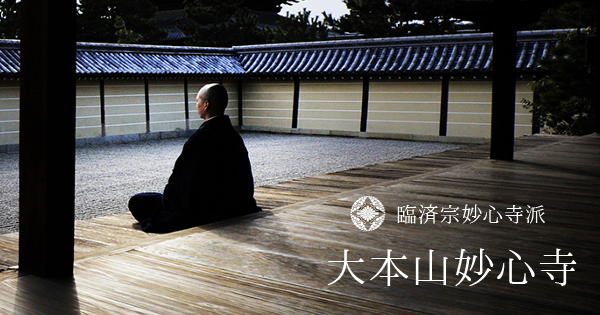
The Myoshin-ji temple complex, the largest Zen temple in Kyoto, includes several smaller temples such as Taizo-in and Keishun-in, each featuring unique gardens that encourage deep reflection.
Learn about Myoshin-ji: Myoshin-ji Official Site
The Serene Simplicity of Saiho-ji
Saiho-ji, more famously known as Kokedera or the Moss Temple, features a garden covered almost entirely in moss, complemented by ponds and trees, creating a unique and deeply calming atmosphere.
Visit Saiho-ji: Saiho-ji Moss Garden
Conclusion
Visiting these Zen gardens in Kyoto offers more thanjust a visual delight; it provides a pathway into the Zen philosophy of simplicity, nature, and meditation. Each garden has its own story and aesthetic, offering varied experiences that resonate with the tranquil spirit of Zen.
Comments