
Kyoto, the heart of Japan’s cultural heritage, is renowned for its historic temples, breathtaking gardens, and ancient palaces. Each landmark tells a story of a bygone era, providing visitors with a glimpse into the city’s rich past. This guide offers an in-depth look at some of Kyoto’s most iconic landmarks, ensuring that travelers can fully appreciate their historical and cultural significance.
Fushimi Inari Taisha: The Vermilion Gates
Experience: Known globally for its thousands of vermilion torii gates, Fushimi Inari Taisha is dedicated to Inari, the Shinto god of rice and commerce. Visitors can explore the mountain trails lined with gates, leading to smaller shrines dispersed across the sacred Mount Inari.
Highlight: The hike to the summit offers not only spiritual satisfaction but also panoramic views of Kyoto.
Learn More: Fushimi Inari Shrine
Kinkaku-ji: The Golden Pavilion
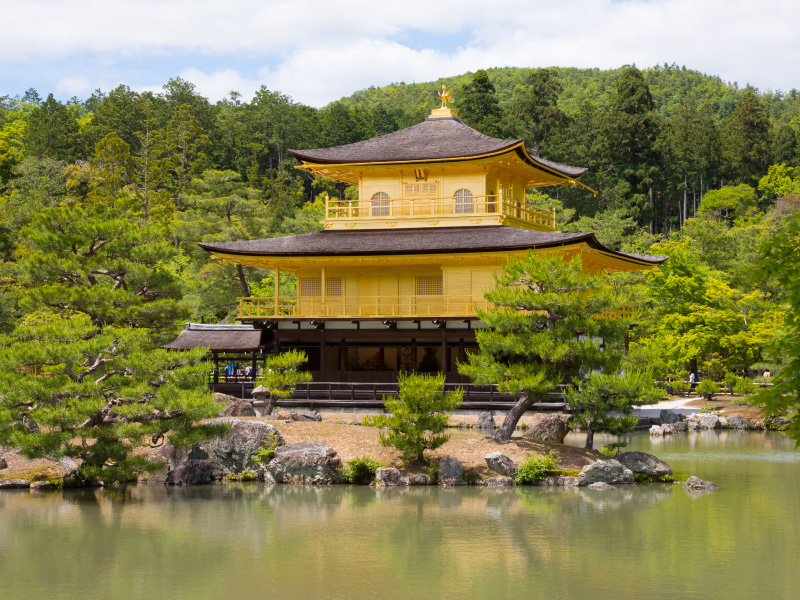
Experience: Kinkaku-ji, or the Golden Pavilion, is one of Kyoto’s most visited landmarks. The Zen Buddhist temple is covered in brilliant gold leaf, which reflects beautifully in the pond in front of it, creating a stunning visual effect.
Highlight: The pavilion is set within a meticulously maintained Japanese strolling garden, which represents the harmony between heaven and earth.
Visit: Kinkaku-ji Temple
Ginkaku-ji: The Silver Pavilion
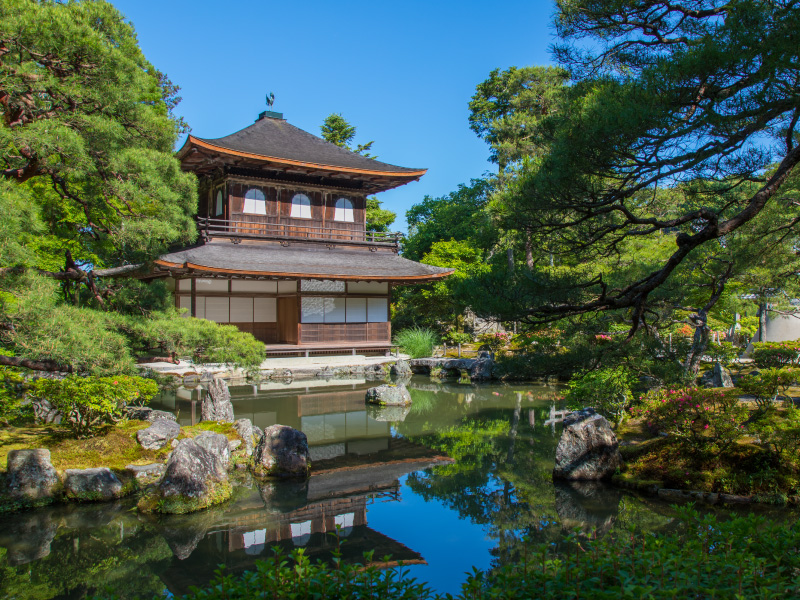
Experience: While not actually covered in silver, Ginkaku-ji, the Silver Pavilion, mirrors the architectural style of Kinkaku-ji and is renowned for its beautiful sand garden and moss-covered grounds.
Highlight: The temple’s garden is a masterclass in Japanese aesthetic principles, featuring a famous sand cone known as the “Moon Viewing Platform.”
Explore More: Ginkaku-ji Temple
Nijo Castle: A Fortress of History
Experience: Built by the first Tokugawa shogun, Ieyasu, Nijo Castle is famous for its “nightingale floors,” designed to chirp like birds when walked upon to alert guards of intruders. The castle’s opulent rooms and expansive, well-preserved gardens offer a glimpse into the life of Japan’s feudal lords.
Highlight: The castle’s main building, Ninomaru Palace, features stunning paintings on sliding doors and screens by artists of the Kano School.
Discover Nijo Castle: Nijo Castle Official
Kyoto Imperial Palace: The Emperor’s Residence
Experience: The Kyoto Imperial Palace, once the residence of Japan’s Imperial Family, features unique architecture and several ceremonial rooms open to the public through guided tours. The palace grounds are an embodiment of Japanese traditional design and are particularly beautiful during the cherry blossom season.
Highlight: The Shishinden Hall, where many imperial ceremonies have been conducted, is a must-see for its historical and architectural significance.
Tour Information: Kyoto Imperial Palace
Arashiyama Bamboo Grove: A Natural Wonder
Experience: The Arashiyama Bamboo Grove is one of Kyoto’s most photographed locations. Walking through this sprawling bamboo forest offers a moment of peace and a break from the bustle of city life.
Highlight: The path through the bamboo grove is magical in the early morning light and provides a cool escape during the hot summer months.
Arashiyama Guide: Arashiyama Tourism
Conclusion
These landmarks are essential for understanding Kyoto’s historical and cultural landscape. Each site offers a unique insight into the architectural and artistic endeavors of Japan across various periods, making Kyoto a living museum of Japanese heritage.
Comments