
Hokkaido, Japan’s northernmost island, is renowned for its stunning natural landscapes, but it also boasts an impressive array of architectural wonders. From historic buildings that echo the past to modern structures that push the boundaries of design, Hokkaido’s architecture offers a fascinating glimpse into the region’s cultural and historical evolution. This guide explores some of the most remarkable architectural sites in Hokkaido, providing insights into their significance and beauty.
Historic Architectural Gems
Hakodate’s Old Public Hall
Experience: The Old Public Hall of Hakodate Ward is a beautifully preserved Western-style building completed in 1910. It served as a central gathering place for social and political events during the early 20th century.
Highlight: The hall’s exterior features a striking blue-gray facade with a symmetrical design, while the interior boasts elegantly decorated rooms and a grand staircase. Don’t miss the panoramic views of Hakodate from the second-floor balcony.
Learn More: Hakodate Old Public Hall
Former Hokkaido Government Office, Sapporo
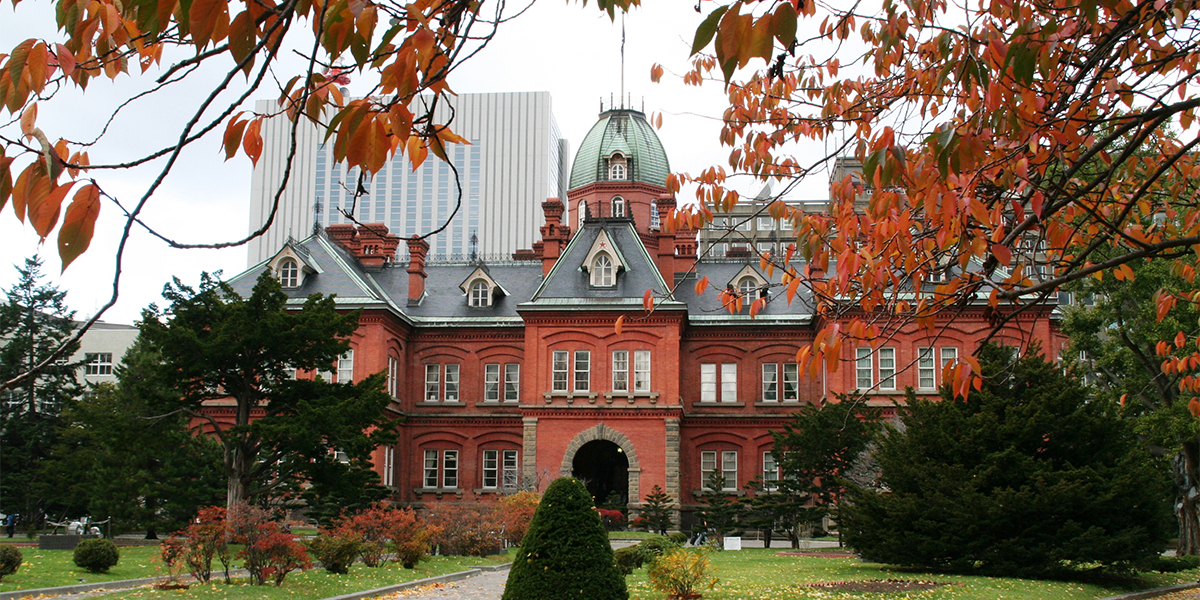
Experience: Known as the “Red Brick Office,” this building is an iconic symbol of Hokkaido’s development during the Meiji era. Constructed in 1888, it showcases a blend of neo-baroque and neo-renaissance architectural styles.
Highlight: The building’s red brick exterior and octagonal dome are particularly photogenic. Inside, visitors can explore historical exhibits and a collection of artifacts that tell the story of Hokkaido’s pioneering days.
Visit the Office: Former Hokkaido Government Office
Otaru’s Historical Buildings
Experience: Otaru, a port city known for its well-preserved historic buildings, offers a charming glimpse into Hokkaido’s past. The city’s stone warehouses and Western-style architecture reflect its history as a bustling trade center in the early 20th century.
Highlight: Walk along the Otaru Canal, lined with Victorian-style street lamps and restored warehouses that now house museums, shops, and restaurants. The Otaru Music Box Museum and the former Nippon Yusen building are must-visits.
Explore Otaru: Otaru Tourism
Modern Architectural Marvels


Moerenuma Park, Sapporo
Experience: Designed by the renowned sculptor Isamu Noguchi, Moerenuma Park is a vast urban park that combines art, nature, and modern design. Completed in 2005, the park is a testament to Noguchi’s vision of a “complete work of art.”
Highlight: Key features include the Glass Pyramid “Hidamari,” which serves as the park’s iconic symbol and houses an art gallery, restaurant, and workshop spaces. The Sea Fountain and Mount Moere offer spectacular views and interactive experiences.
Visit Moerenuma Park: Moerenuma Park
Asahikawa Station
Experience: The recently renovated Asahikawa Station is a blend of contemporary design and functional architecture. The station serves as a central hub for transportation in northern Hokkaido and includes a shopping mall, restaurants, and a rooftop garden.
Highlight: The station’s airy, light-filled design and use of natural materials reflect the surrounding landscape. The rooftop garden offers a peaceful retreat with panoramic views of the city and surrounding mountains.
Learn About Asahikawa Station: Asahikawa Station
Sapporo Dome
Experience: Sapporo Dome is a unique multi-purpose stadium that hosts various sports events, including baseball and soccer, as well as concerts and exhibitions. The dome’s innovative design allows for the transformation of the playing surface to accommodate different events.
Highlight: The retractable playing surface and the dome’s distinctive architecture make it a marvel of modern engineering. Visitors can take guided tours to learn about the technology behind the transformations and enjoy panoramic views from the observation deck.
Explore Sapporo Dome: Sapporo Dome
Conclusion
Hokkaido’s architectural landscape is as diverse and dynamic as its natural environment. From the historic elegance of Hakodate’s old buildings to the cutting-edge design of Sapporo Dome, each structure tells a story of the region’s cultural heritage and innovative spirit.
Exploring these architectural wonders offers a unique way to experience Hokkaido, providing insights into its past, present, and future. Whether you’re an architecture enthusiast or a casual traveler, these sites are sure to leave a lasting impression.
Comments