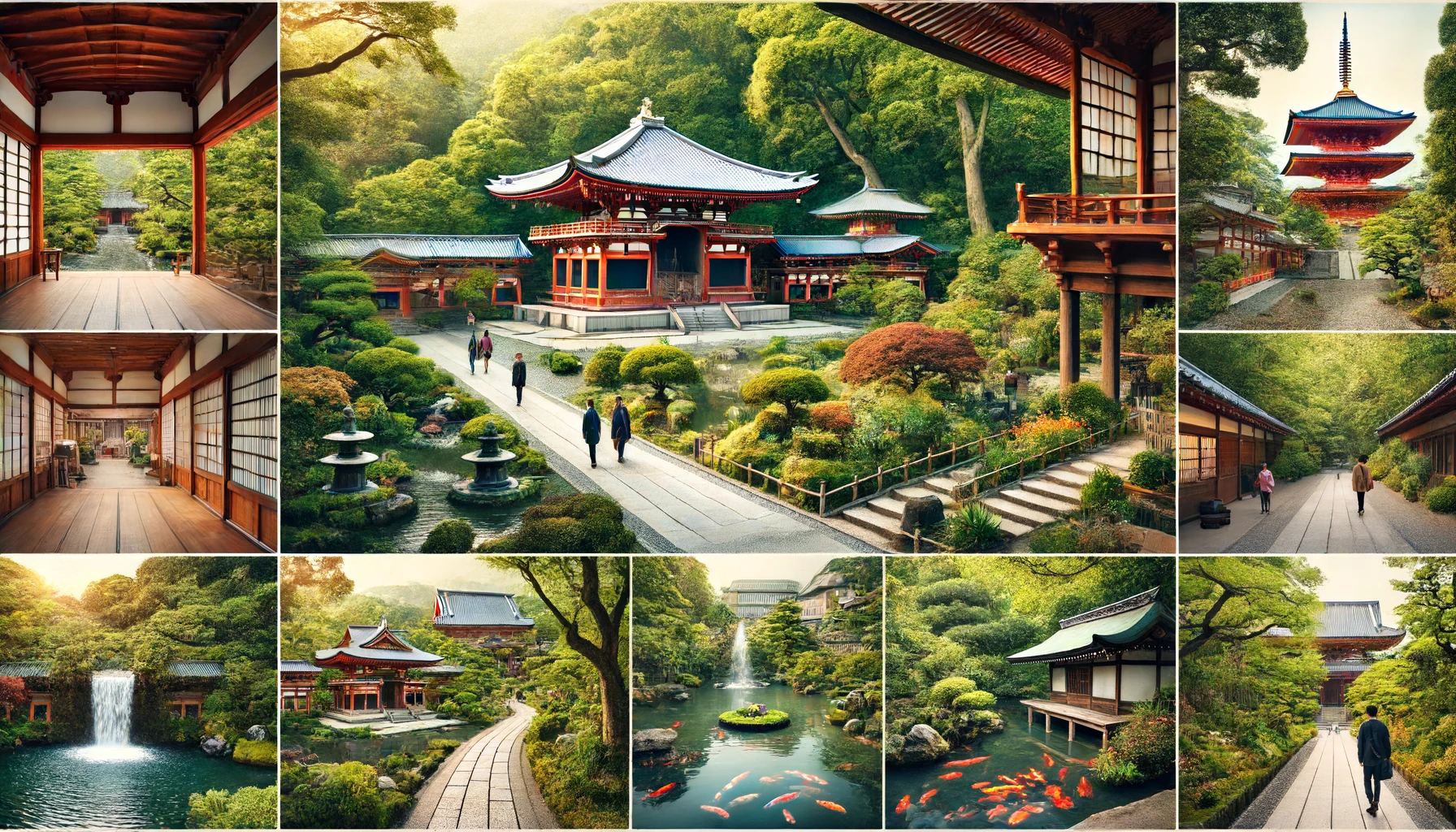
In the midst of Tokyo’s high-speed urban environment, the city’s temples stand as serene sanctuaries offering both spiritual respite and a glimpse into Japan’s rich cultural heritage. From ancient Buddhist temples to Shinto shrines, these sacred sites not only provide a peaceful escape but also showcase exquisite traditional architecture and centuries-old traditions. This guide will take you on a journey through some of Tokyo’s most revered and tranquil temples, perfect for finding a moment of peace in the bustling metropolis.
Senso-ji Temple in Asakusa
Senso-ji, located in the historic district of Asakusa, is Tokyo’s oldest and most famous temple. Founded in 628 AD, this Buddhist temple features a grand entrance with the Kaminarimon (Thunder Gate), a giant red lantern, and a vibrant shopping street, Nakamise Dori, leading up to the temple grounds. The temple itself, dedicated to the bodhisattva Kannon, is an excellent example of traditional Japanese temple architecture.
Meiji Shrine in Shibuya
Nestled in a dense forest that covers 175 acres near Harajuku Station, Meiji Shrine is dedicated to the deified spirits of Emperor Meiji and his consort, Empress Shoken. The shrine’s grounds are perfect for a serene stroll, especially along the gravel paths lined with towering trees and seasonal irises. It’s a popular site for traditional Shinto weddings, and visitors might catch a glimpse of a ceremony during their visit.
Zojoji Temple near Tokyo Tower
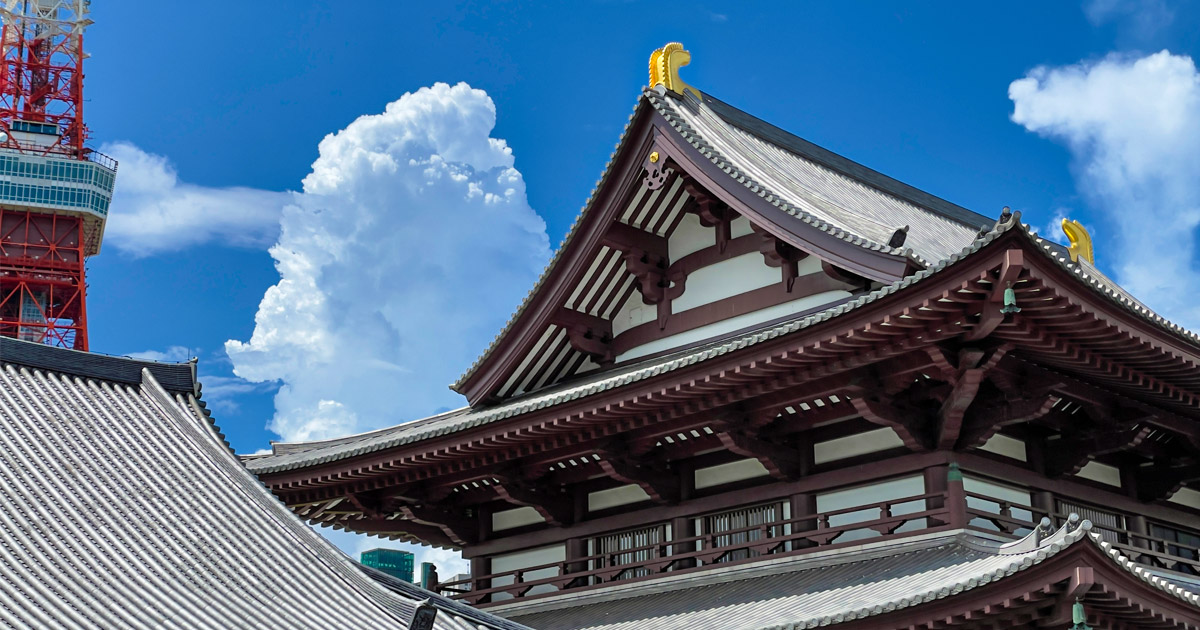
Situated in the Minato district, beneath the shadow of Tokyo Tower, Zojoji Temple serves as the main temple of the Jodo sect of Japanese Buddhism in the Kanto Region. The temple grounds are notable for their solemn rows of stone Jizo statues, representing the unborn children of Japan. The juxtaposition of the ancient temple with the modern Tokyo Tower provides a striking contrast and a unique photographic opportunity.
Nezu Shrine in Bunkyo
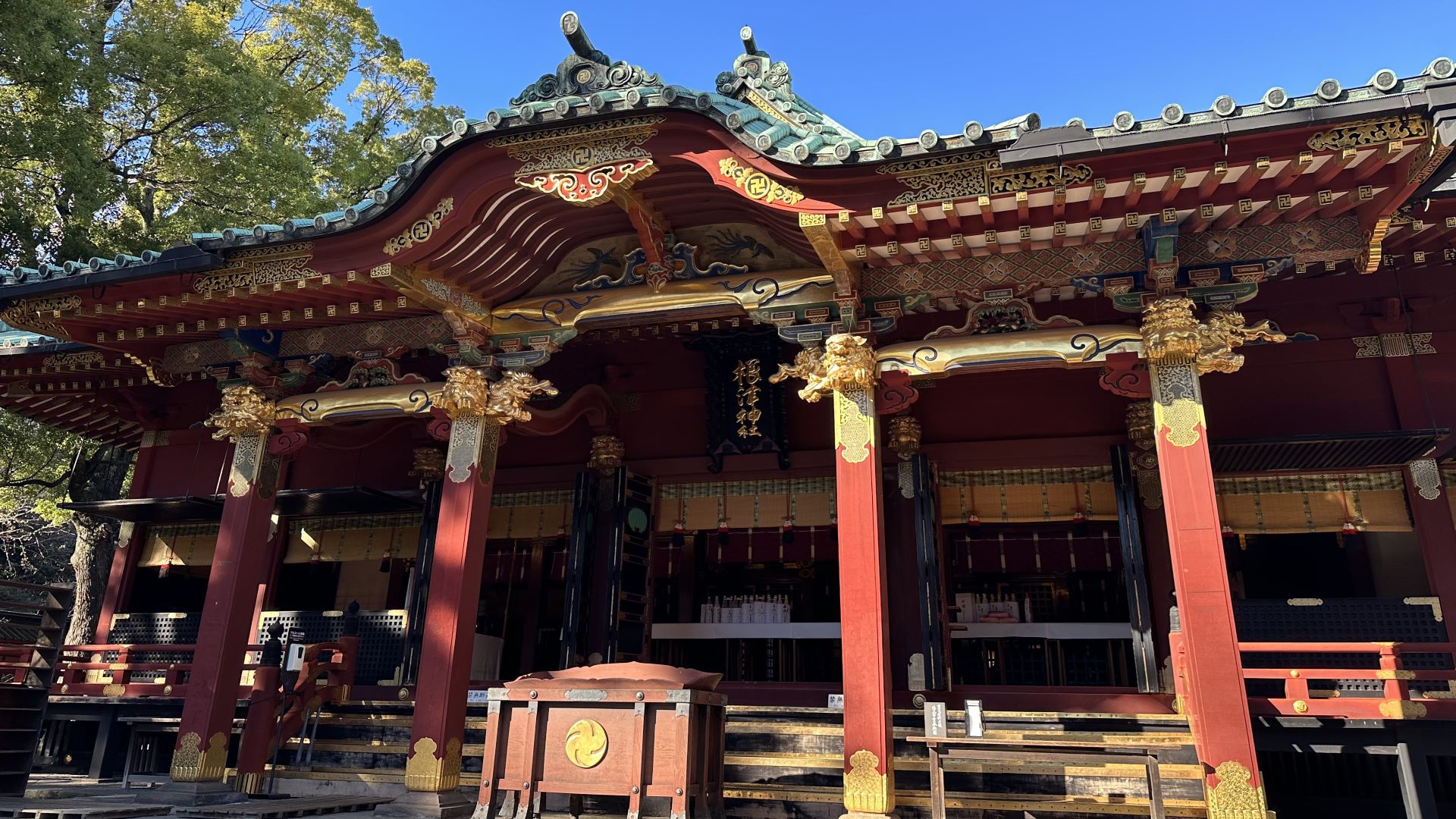
One of Tokyo’s lesser-known but visually stunning shrines, Nezu Shrine boasts a striking red-and-gold gate and a pathway lined with neatly trimmed azalea bushes. The shrine is especially beautiful in late April and early May during the Bunkyo Azalea Festival when the flowers are in full bloom.
Gotokuji Temple: The Birthplace of Maneki-Neko
Gotokuji Temple, located in Setagaya, is said to be the origin of the Maneki-Neko, the beckoning cat that is a common good luck charm in Japan. The temple features a section where thousands of these cat figurines have been offered by visitors from around the world. It’s a charming and somewhat quirky spot that offers a different cultural perspective.
Conclusion
Exploring Tokyo’s temples provides a peaceful counterbalance to the high-energy pace of the city’s streets and skyscrapers. These temples not only offer quiet and contemplation but also serve as gateways to understanding the spiritual and historical depths of Japanese culture. Whether you’re soaking in the ambiance of a serene shrine garden or admiring the architectural beauty of a storied temple, these sacred sites are essential stops on any Tokyo itinerary.
Comments